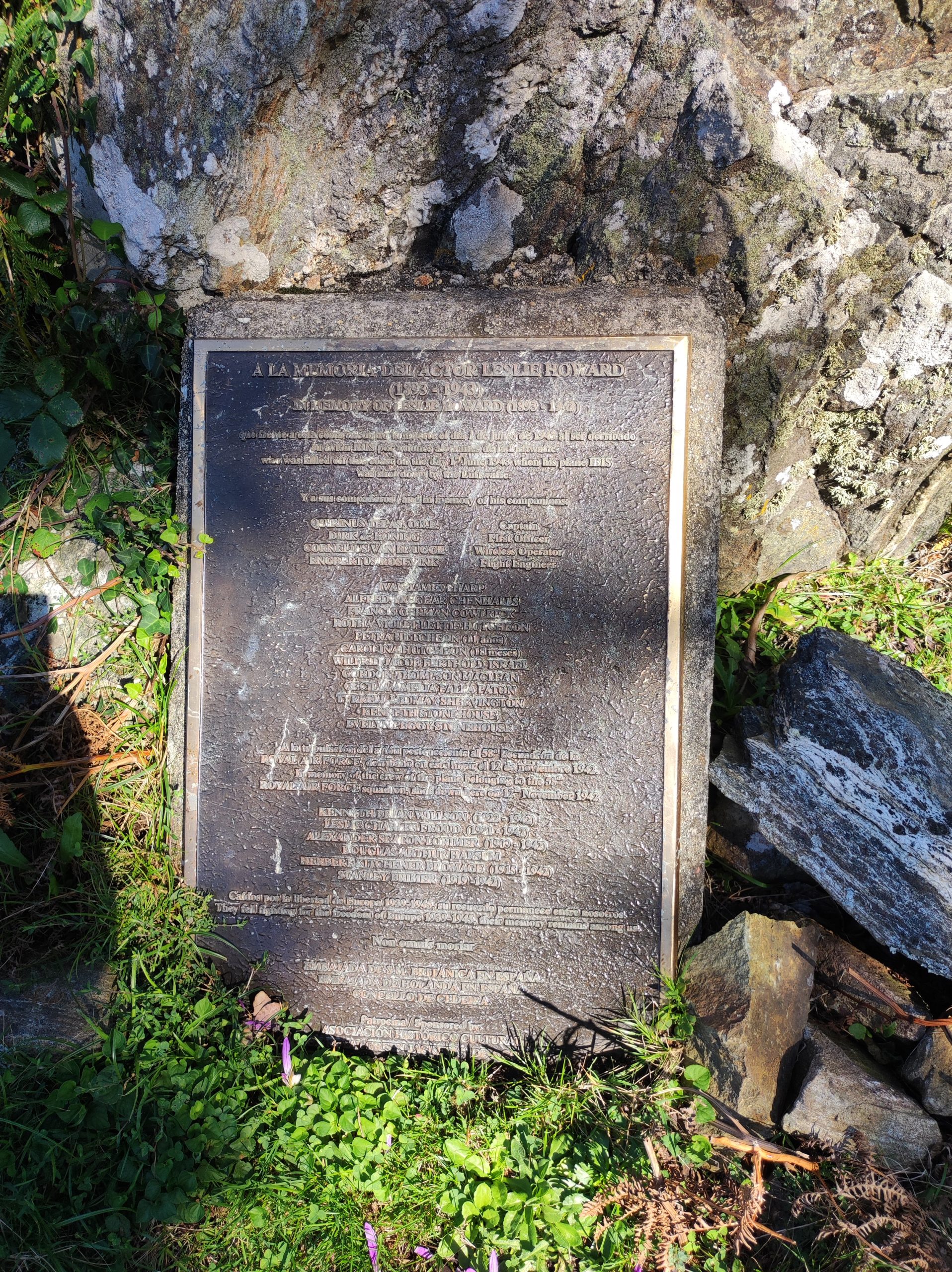
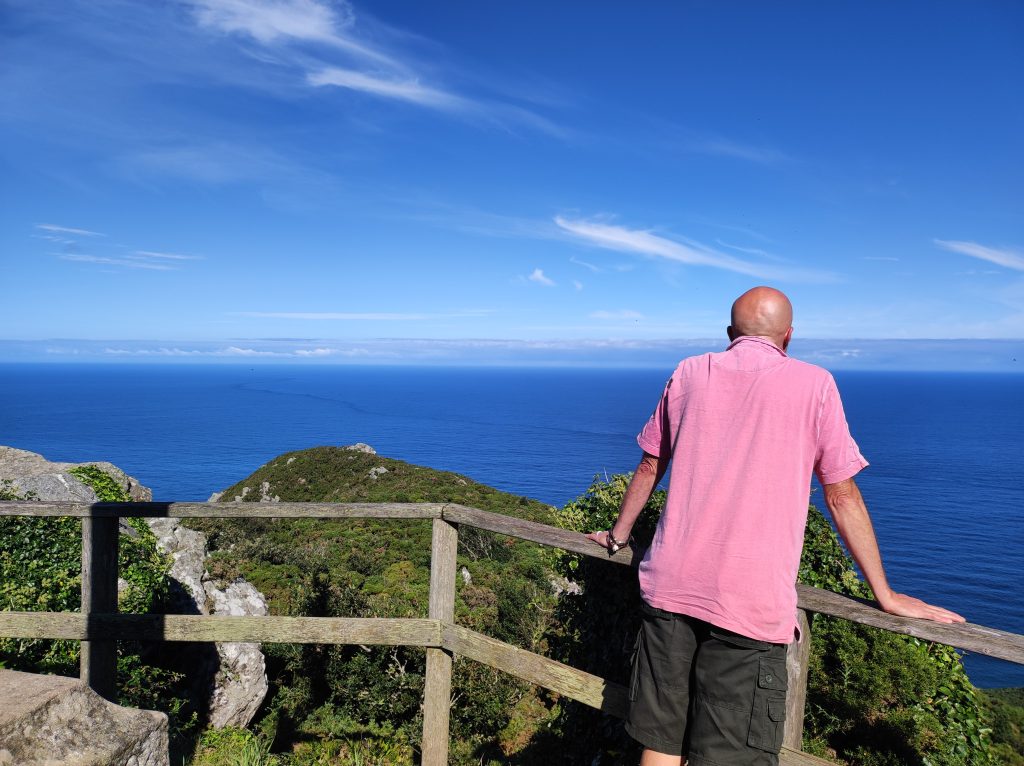
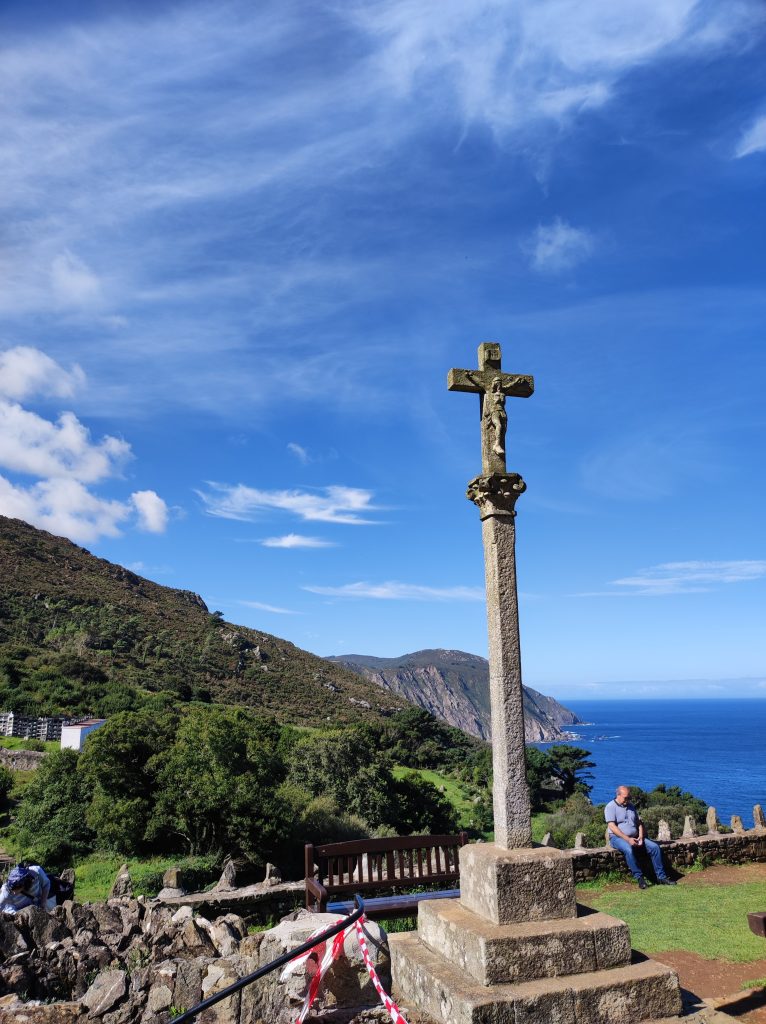
For Ian’s birthday we went for a look at an area which was very much on our shortlist for houses – and saw the monument to Leslie Howard, whose plane was shot down just off the coast.
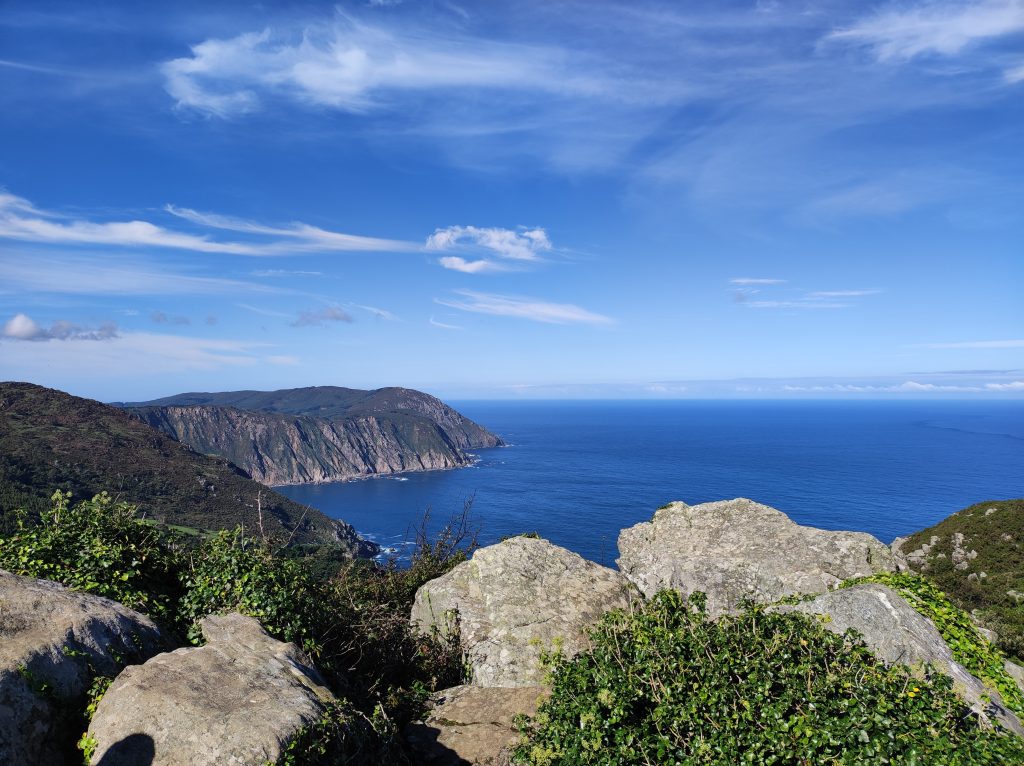
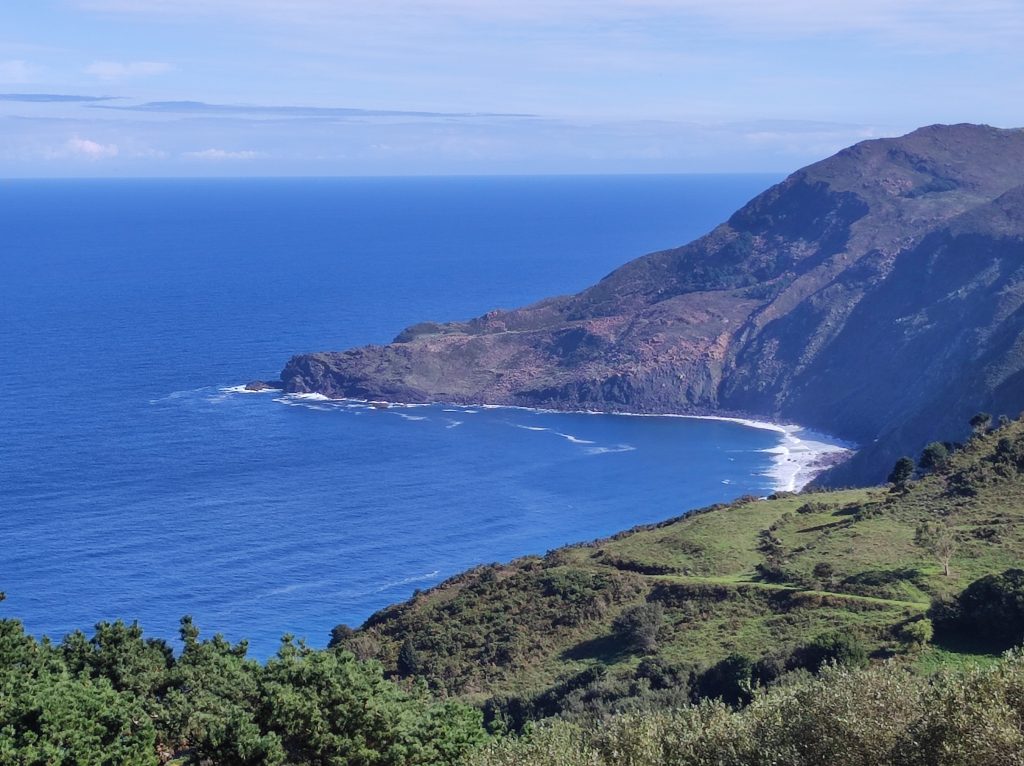
It was very different scenery:
And we had to go VERY high up to get to it (which I am glad we didn’t choose this area, as I wasn’t a fan of the narrow roads – and I think looking down on wind turbines means we were very high up!
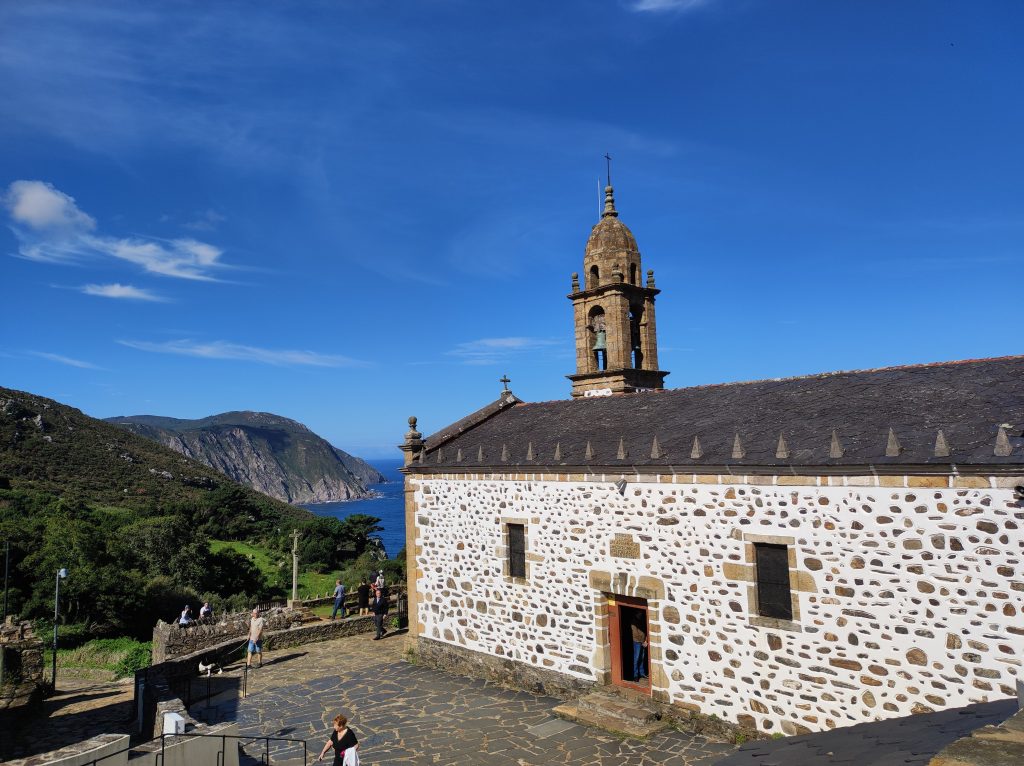
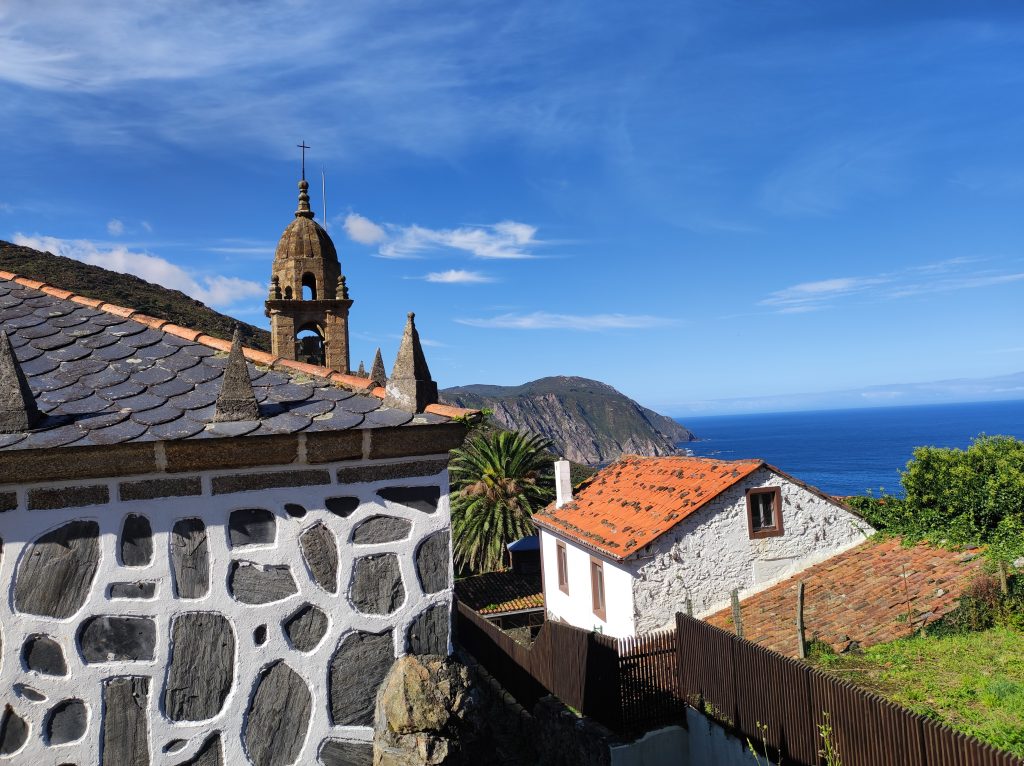
We stopped off at a little village called San Andres which according to Wikipeadia (translated):
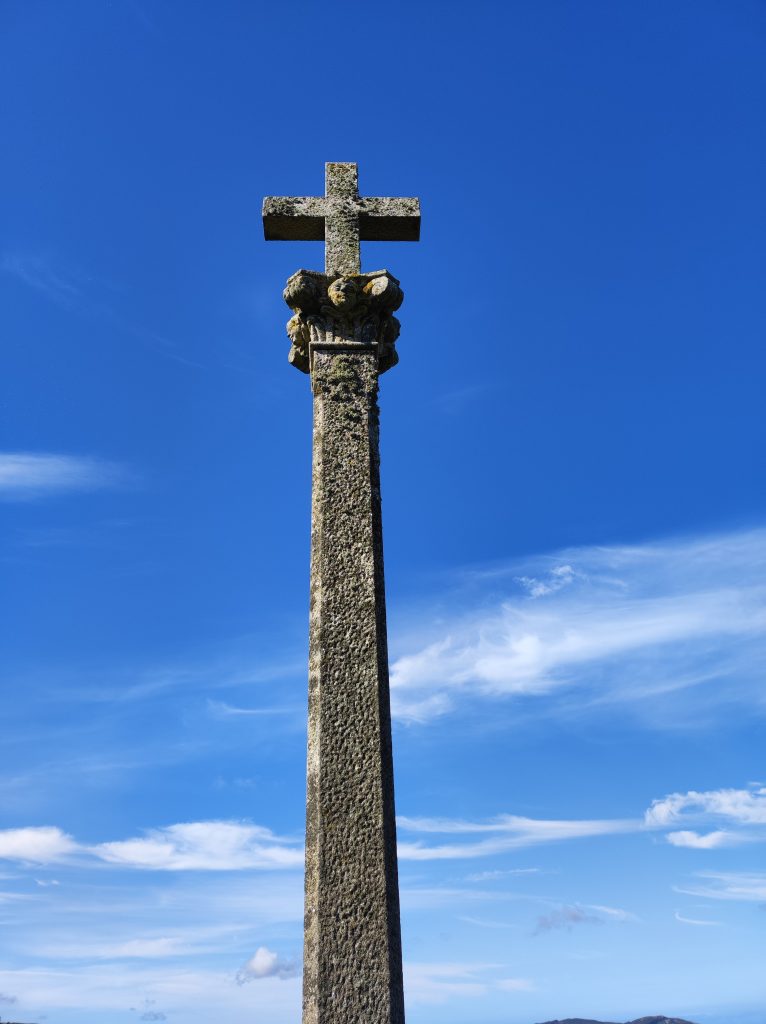
The chapel of San Andrés is a famous sanctuary where, according to the popular saying vai de morto quen non foi de vivo (‘he who was not alive goes dead’). The pilgrims had the habit of throwing a stone at the mounds or “milladoiros” (they are called “amilladoiros” in the Cedeira region2) that were on both sides of the road (up to twenty milladoiros are counted between the place of Veniño and Teixido ). The legend says that the stones of the Milladoiros “will speak at the Final Judgment” to say which souls fulfilled their promise to go to San Andrés. Milladoiros are piles of stones that pilgrims leave in specific places: near a sanctuary, crossroads, sacred places, etc. In the vicinity of San Andrés, next to the slopes leading down to the sanctuary, more than half a dozen milladoirs (some in perfect condition) are preserved, made up of thousands and thousands of stones that pilgrims have deposited over the centuries. .2It is possible that the Milladoiros in this place are the only ones in the world with these characteristics. This custom is still practiced by pilgrims who make a pilgrimage to the Sanctuary of San Andrés, as demonstrated by the extraordinary milladoiro that exists in the place of “O Campo do Choíño” on the so-called “Little Coast”. It is believed that the pilgrimage to Teixido began3 from the Iron Age, during the Castro culture, although in fact the first record of the existence of a pilgrimage appears in the year 1391, in the will of a lady from Vivero.
Considering its structure, it is a Gothic temple of marine typology. The ancient element that is preserved is the triumphal arch, of the pointed type. The oldest parts correspond to the Andrade period: the apse – which was initially vaulted – and the side door composed of an Elizabethan-type ogee arch (typical of late Gothic), and which must have served as the main door of the temple since the 15th to the 18th century. This design was complemented by the construction of the new façade and the bell tower, completed in 1781 thanks to the increase in profits resulting from the pilgrimage boom of the time. The main chapel dates from 1789 and was made by Miguel López de la Peña. In 1970, wall paintings depicting the martyrdom of Saint Andrew were discovered. Customs and legends It is tradition to make the pilgrimage carrying a stone that is deposited in one of the amilladoiros in the area. We must drink from “The Fountain of the Three Pipes”, make a wish to Saint Andrew and put a small piece of bread into the water, which, if it does not sink, will attract good fortune to our lives, at least for a year. The soul of the dead carried by relatives He who offered himself to Saint Andrew and was not alive, has to go as dead, and for that one way to fulfill the pilgrimage is with the help of living or known relatives (normally two). accompanying the soul of the deceased.7Before beginning the pilgrimage, the relatives go to the cemetery where the grave of the deceased is located, to invite the spirit of the dead to make the trip with them.
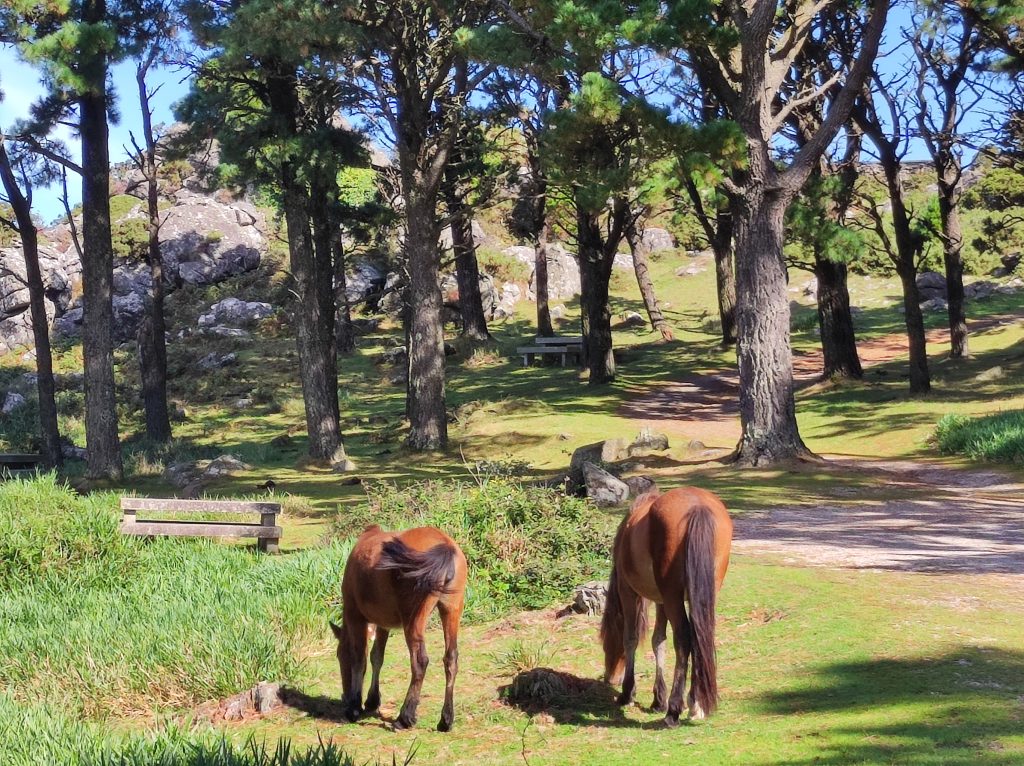
There were a lot of wild horses in this area.
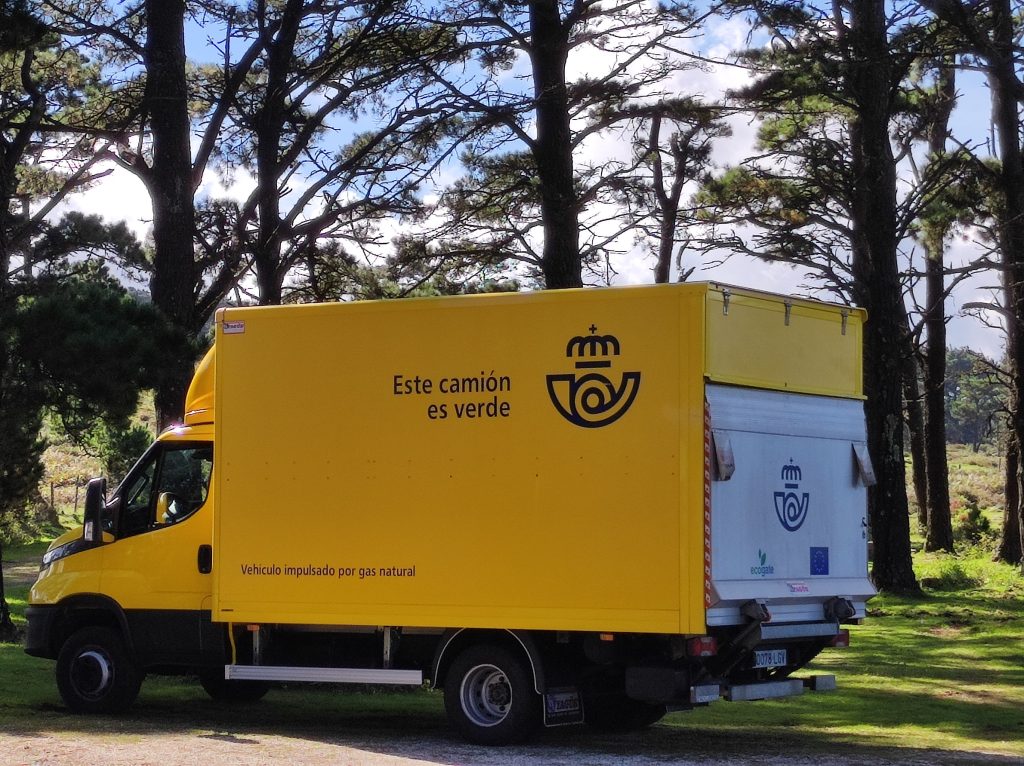
And this van says ‘this van is green’, which always makes me smile (it’s the post office vans)
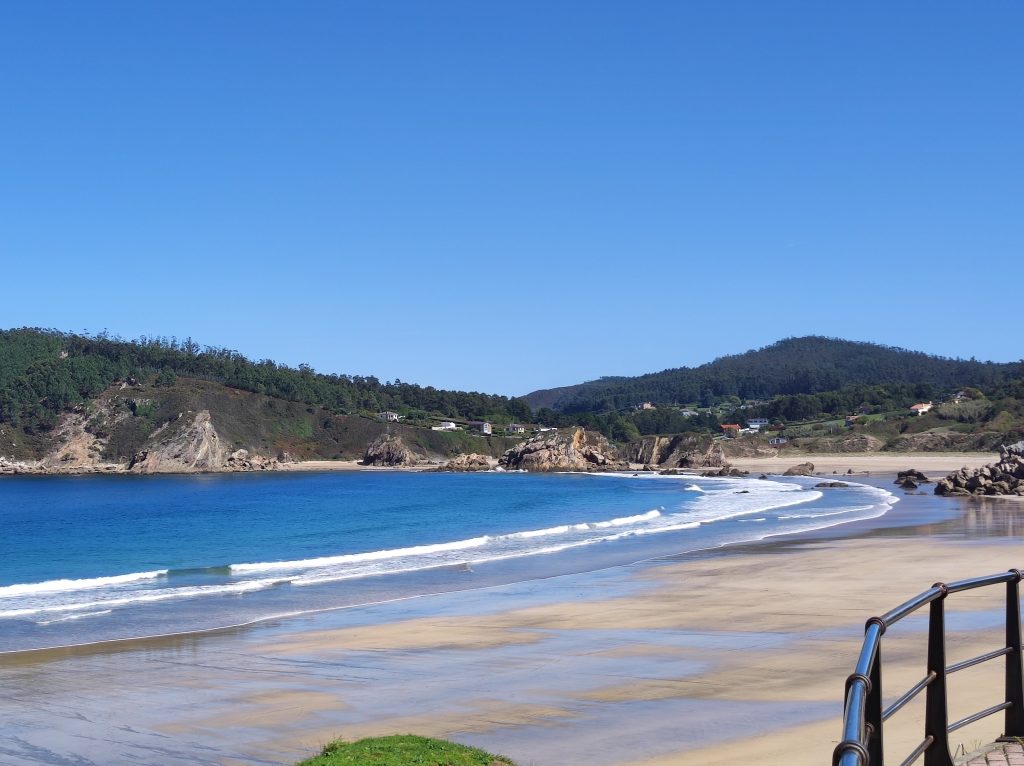
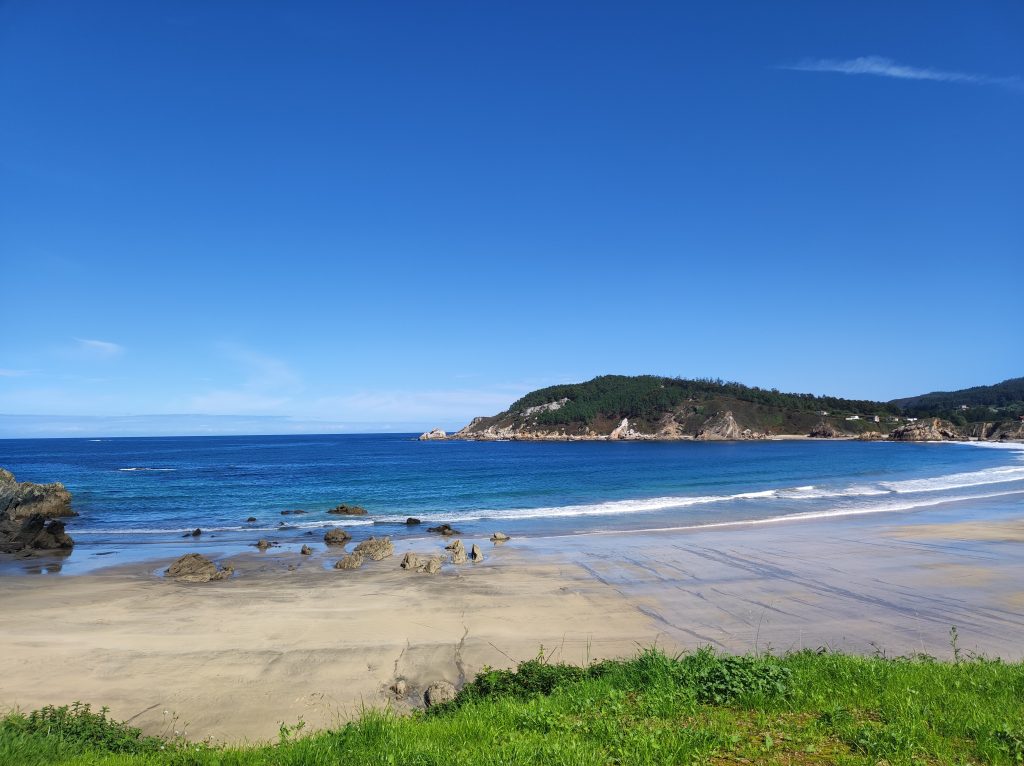
And then coming back we stopped at another beach for a picnic:
Quite a different day to this time last year when Ian was just about to head north to start looking at houses!